

Les bijoux qui ne verdissent pas la peau
Les traces vertes viennent du cuivre. Le laiton, le bronze et certains alliages d'argent s'oxydent au contact de la transpiration et laissent une marque. L'acier inoxydable 316L est hypoallergénique et résistant au ternissement : il n'en laisse pas. Le 316L plaqué or se comporte de la même façon.
Ce qu'est réellement la trace verte
C'est de l'oxyde de cuivre. Le cuivre entre dans la plupart des alliages bon marché de la bijouterie parce qu'il est tendre, facile à travailler et peu coûteux. Au contact de la transpiration, de l'humidité et des acides de la peau, il s'oxyde. L'oxyde est vert, il se dépose sur la peau et il part au savon.
La marque en elle-même est donc inoffensive et passagère. Elle revient sans cesse parce que la cause est la pièce, pas vous.
Quelques facteurs l'aggravent. La chaleur, parce que l'on transpire davantage. La crème pour les mains et le parfum, parce qu'ils ajoutent de l'humidité et de la chimie. Les bagues et les bracelets plus que les colliers, parce qu'ils frottent et restent en contact plus longtemps.
Quels métaux laissent des traces et lesquels n'en laissent pas
C'est le métal de base qui décide. Une finition dorée ne dit rien à elle seule, car la finition est une surface et ce n'est pas la surface qui se corrode.
| Matériau | Traces vertes | Pourquoi |
|---|---|---|
| Laiton et bronze | Oui, souvent | Alliages cuivreux. Ils s'oxydent au contact de la peau comme de l'air ambiant |
| Cuivre | Oui, rapidement | Le cuivre pur s'oxyde plus vite que n'importe lequel de ses alliages |
| Argent sterling | Parfois | Il contient du cuivre, et il fonce aussi par ternissement |
| Laiton plaqué | Oui, dès que le placage s'use | Le laiton situé en dessous est mis à nu aux points de frottement |
| Acier inoxydable 316L | Non | Hypoallergénique et résistant au ternissement |
| 316L plaqué or 18 carats | Non | La couche est en or et le métal situé dessous est ce même acier |
Pourquoi l'acier inoxydable 316L se comporte autrement
Il ne contient pas de cuivre : rien en lui ne peut donc virer au vert. Le 316L est une nuance d'acier précise, et le L signifie bas carbone, ce qui rend l'acier plus stable aux endroits soudés. Une chaîne est à son point le plus faible là où elle est assemblée.
En pratique, cela apporte trois choses. Il est hypoallergénique et convient donc aux personnes qui réagissent aux alliages bon marché. Il résiste au ternissement et ne se ternit donc pas dans un tiroir. Et il conserve sa forme au port quotidien au lieu de se déformer.
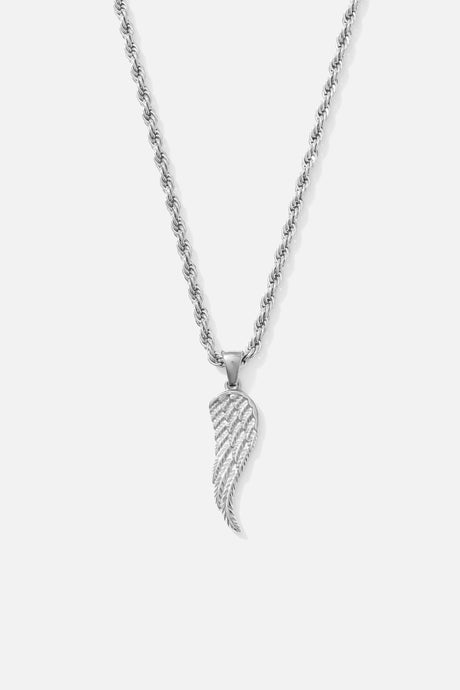
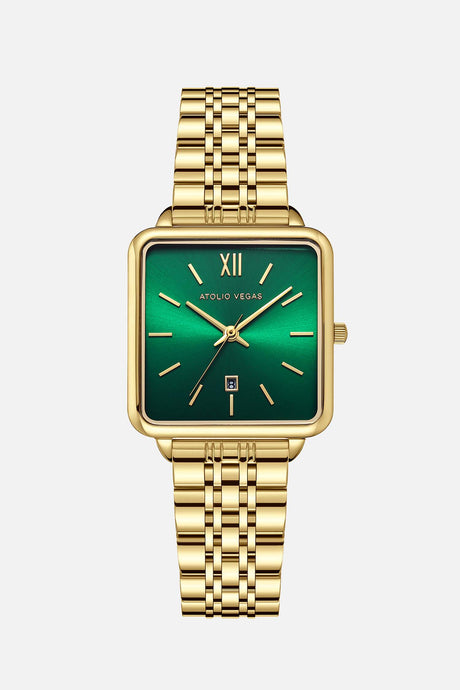
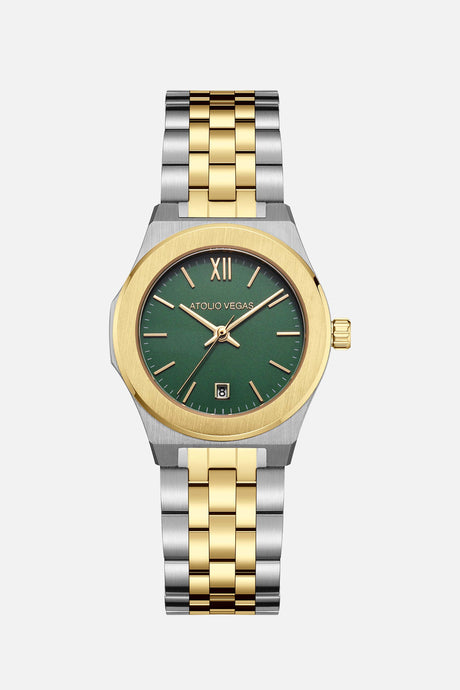
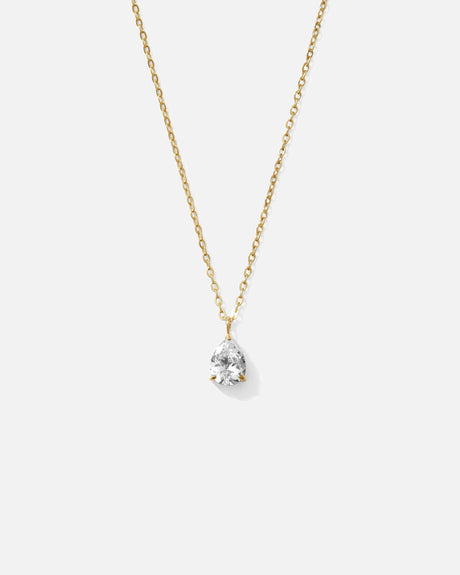
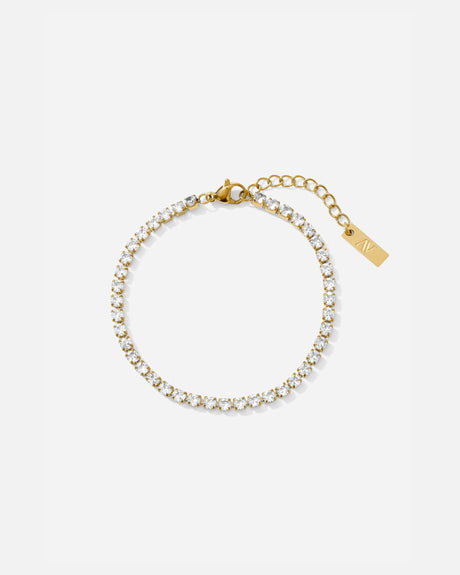
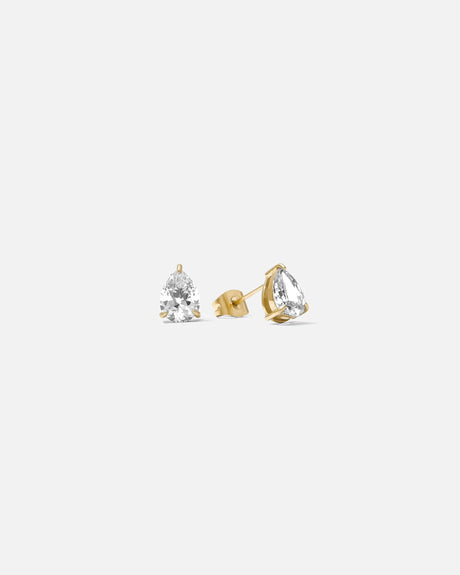
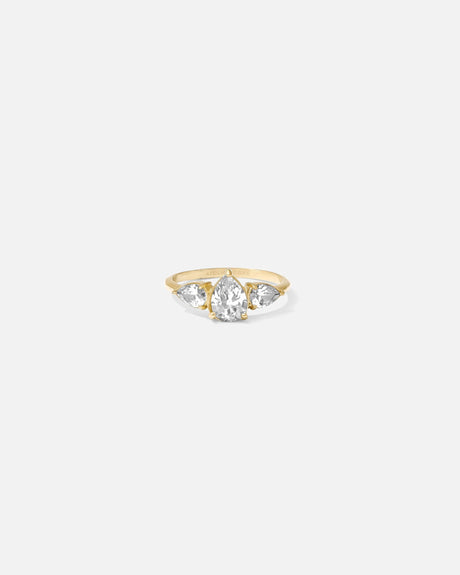
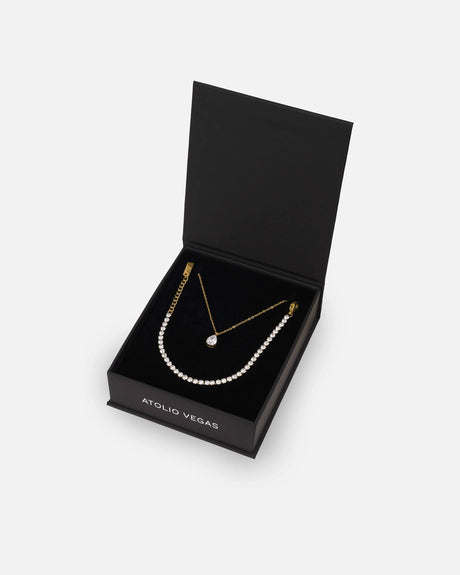
Toute la bijouterie Atolio Vegas est en acier inoxydable 316L, et les pierres qui y sont serties sont des zircons cubiques 5A. L'ensemble de la collection de bijoux repose sur le même matériau : il n'y a pas de repli discret entre les pièces phares et le reste.
Ce que change le placage or
Nos pièces dorées sont plaquées or 18 carats sur ce même acier 316L, et le placage est une couche.
Elle s'amincira aux points qui frottent le plus. Sur une bague, cela arrive plus tôt que sur une chaîne, car une bague rencontre des clés, des poignées de porte et des poches toute la journée, tandis qu'une chaîne rencontre surtout elle-même.
Lorsque le placage s'amincit, ce qui apparaît dessous est de l'acier inoxydable. C'est là toute la différence entre un placage sur acier et un placage sur laiton. Sur le laiton, un placage usé signifie un doigt vert. Sur le 316L, il signifie une zone couleur acier, et rien sur la peau.
La différence entre plaqué, gold filled et or massif mérite d'être comprise avant de comparer les prix d'une boutique à l'autre.
Comment lire une fiche produit avant d'acheter
Cherchez l'alliage, pas la couleur. Cinq vérifications couvrent l'essentiel.
- Si une fiche indique plaqué or sans jamais nommer ce qui se trouve en dessous, partez du principe qu'il s'agit de laiton.
- Considérez le mot hypoallergénique comme une affirmation sur l'alliage et demandez lequel. Le mot seul n'est pas une spécification.
- Vérifiez séparément le matériau du fermoir. Certaines pièces associent une bonne chaîne à un fermoir bon marché, et le fermoir repose sur la nuque.
- Méfiez-vous du nickel. Il provoque une irritation plutôt qu'une trace verte : c'est un autre problème avec la même origine, un alliage non déclaré.
- Ne prenez pas le poids pour une preuve. Une pièce lourde peut tout de même être en laiton. Le poids renseigne sur l'épaisseur, pas sur la chimie.
Que faire si votre peau réagit malgré tout
Cessez de porter la pièce. Une réaction ne s'améliore pas avec le temps, et nettoyer la peau ne traite que le symptôme.
Si une pièce en acier laisse une marque, il ne s'agit presque certainement pas de l'acier annoncé. Si elle provoque une irritation plutôt qu'une trace, cela oriente vers du nickel dans un alliage de faible qualité plutôt que vers du 316L.
Les habitudes aident à la marge. Mettez vos bijoux après le parfum et les cosmétiques plutôt qu'avant. Essuyez les pièces avec un chiffon doux et sec après le port, ce qui retire la transpiration responsable des dégâts. Rangez chaque pièce dans sa pochette plutôt qu'en vrac dans une boîte.
De quoi sont faits les bijoux Atolio Vegas
Tout ce que nous réalisons en bijouterie est en acier inoxydable 316L, et les versions dorées sont plaquées or 18 carats sur cet acier plutôt que sur du laiton. C'est pour cela que le matériau est indiqué sur chaque fiche produit.
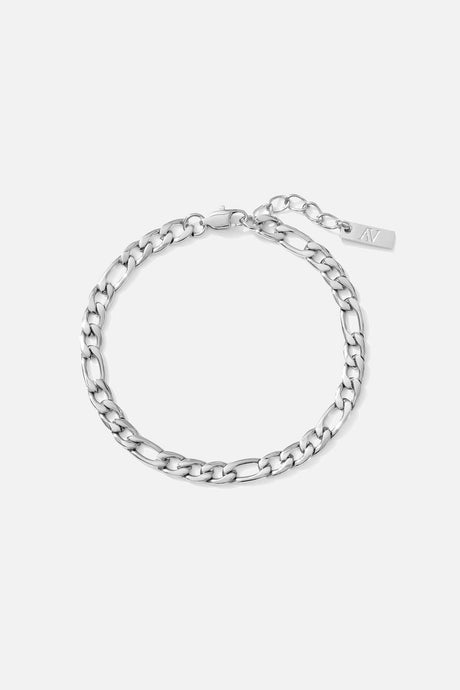
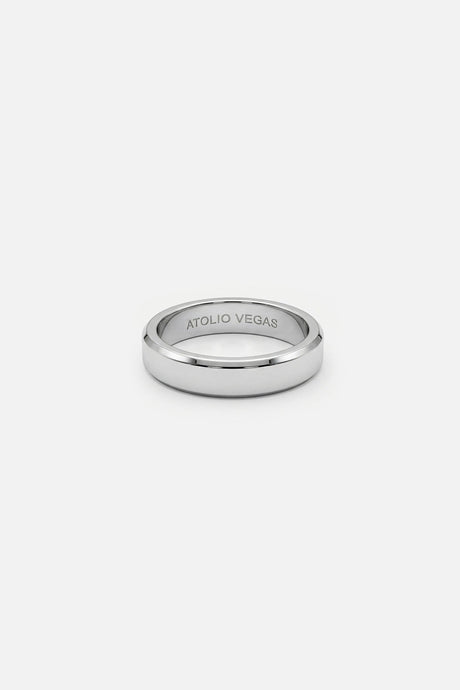
Nos bijoux bénéficient d'une garantie à vie qui couvre le ternissement, la décoloration et la casse accidentelle. Elle s'applique tant que le propriétaire d'origine détient la pièce, elle n'est pas transmissible, et elle donne droit à un remplacement gratuit par pièce, avec un avoir en boutique si le remplacement fait également défaut. Une politique d'usage raisonnable s'applique. Pour voir ce que cela donne sur une pièce, commencez par une chaîne gourmette dorée de 5 mm ou une chevalière en acier.
Le détail de la livraison, des retours et de la garantie figure sur la page FAQ. Si vous hésitez sur une pièce, vous disposez de 60 jours à compter de la livraison pour la renvoyer non portée, et les retours depuis l'UE, l'EEE, le Royaume-Uni et la Turquie ouvrent aussi le droit légal de rétractation de 14 jours.
